


Scented Candles FAQS
We answer your burning questions on scented candles.
If you'd like more questions answered, or can think of something that would make thispage more useful, simply Contact Us.
1. What are scented candles made of?
Scented candles are typically made from a blend of natural waxes such as soy, beeswax, or coconut wax, combined with high-quality fragrance oils. The wick is usually cotton or wood to ensure a clean, even burn.
2. How should I choose a scented candle?
Choose a candle based on the mood you want to create or the time of year. For a calming atmosphere, go for soothing scents like lavender or chamomile. For something uplifting, citrus or fresh floral fragrances can work wonders. And if you're looking for a cosy vibe, warm notes like vanilla, cinnamon, or sandalwood are perfect.
3. How do I make my scented candles last longer?
To get the most out of your candle, let it burn long enough for the wax to melt across the entire surface. This prevents "tunnelling" and helps your candle burn evenly. Trim the wick to about 5mm before each burn – it reduces soot and ensures a steady flame. Also, keep your candle away from drafts, which can cause uneven burning.
4. Are scented candles safe to use?
Yes, when used properly. Always follow basic safety guidelines: keep the candle away from flammable objects, never leave it unattended, and place it on a heat-resistant surface. If you have pets or small children, keep candles out of their reach.
5. Can I reuse the candle jars?
Absolutely! Once your candle has burned out, clean out the leftover wax and repurpose the jar. They're perfect for storing small items, as decorative pieces, or even as plant pots.
6. Why is my candle "tunnelling"?
Tunnelling happens when only the centre of the candle melts, leaving a ring of wax around the edges. To avoid this, let your candle burn for at least 2–3 hours, or until the entire top layer of wax is melted on the first use. This helps create a "memory burn" so that the wax melts evenly on future burns.
7. How long should I burn a candle for?
It's best to burn your candle for at least one hour for every 2.5 cm in diameter. For example, if your candle is 7.5 cm wide, let it burn for about three hours. Don't burn it for more than four hours at a time to avoid the wick becoming too long and causing soot. 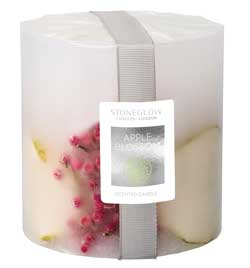
8. Why is trimming the wick important?
Trimming the wick helps control the size of the flame, reduces smoke, and prevents soot from forming on the container. A trimmed wick will also help your candle last longer and burn more evenly.
9. What is the "throw" of a candle?
The "throw" refers to how well a candle's scent disperses in the air. A "cold throw" is the strength of the fragrance when the candle is unlit, while a "hot throw" is how well the scent fills the room when it's burning.
10. What's the best way to extinguish a candle?
To avoid smoke and preserve the fragrance, use a candle snuffer or gently dip the wick into the melted wax, then straighten it again. Blowing out a candle can cause soot to form and may disturb the melted wax.
11. Why do some candles have black smoke?
Black smoke, or soot, can occur if the wick is too long, causing an uneven burn, or if the candle is in a drafty area. Keeping the wick trimmed and burning your candle away from air currents can help reduce soot.
12. Are there any candles suitable for people with allergies?
For those with allergies or sensitivities, look for candles made from natural ingredients, such as soy or beeswax, with essential oils rather than synthetic fragrances. Always check the ingredients list before buying.
13. Can I use scented candles outdoors?
Yes, but bear in mind that outdoor use may affect how well you can smell the fragrance. If you're lighting candles in the garden, try stronger scents like eucalyptus, citrus, or sandalwood, as these will be more noticeable.
14. Do scented candles help with stress relief?
They certainly can! Scents like lavender, eucalyptus, and chamomile are known for their calming properties and can help create a relaxing atmosphere. Burning a candle with your favourite fragrance can be a wonderful way to unwind after a long day.
15. Why does my candle seem to lose its scent over time?
Candles can lose their fragrance if they're stored improperly. Keep your candles in a cool, dark place with the lid on to help preserve their scent. Extreme heat or direct sunlight can cause the fragrance oils to evaporate.
16. Can scented candles cause headaches?
If you're sensitive to strong fragrances or certain ingredients, scented candles might trigger headaches. Opt for candles made with natural wax and essential oils, as these tend to be gentler than synthetic options.
17. Are all scented candles eco-friendly?
Not all candles are created equal. Look for candles made with sustainable materials like soy or beeswax, natural fragrances, and cotton or wood wicks. Avoid candles that use paraffin wax, as it is derived from petroleum and can emit harmful substances when burned.
18. How should I store my scented candles?
Store your candles in a cool, dark place, away from direct sunlight and heat sources. Keeping them in a sealed container or with a lid on will help protect the fragrance and prevent dust from settling on the wax.
19. What's the difference between essential oils and fragrance oils in candles?
Essential oils are natural extracts from plants, while fragrance oils are synthetic or blended to replicate certain scents. Candles made with essential oils tend to have a subtler scent, whereas fragrance oils often provide a stronger, longer-lasting aroma.
20. Can scented candles repel insects?
Yes, certain fragrances, such as citronella, eucalyptus, and lavender, are known to repel insects. If you're planning a garden party, lighting a few citronella candles can help keep those pesky bugs away.
21. What should I do if my candle has a "frosted" appearance?
A frosted look on the candle surface is common with natural waxes like soy and does not affect the quality or performance of the candle. It happens due to the natural oils in the wax crystallising when exposed to temperature changes.
22. Why does my candle burn down faster on one side?
This might be due to uneven placement of the wick or drafts causing the flame to tilt. Rotate the candle regularly if it's exposed to a draft, and make sure it's placed on a flat, level surface.
23. Can I make my own scented candles at home?
Yes, making your own candles can be a fun and rewarding hobby. All you need are some basic materials: wax, wicks, fragrance oils, and a container. There are plenty of DIY candle-making kits and guides available online to get you started.
24. Do scented candles expire?
While candles don't technically "expire", their fragrance can weaken over time, especially if they aren't stored properly. Generally, a candle's scent will stay fresh for about one to two years.
25. How can I avoid wasting the last bit of wax at the bottom of the jar?
When your candle reaches the last 1 cm of wax, it's best to stop burning it for safety reasons. You can melt down the leftover wax and pour it into a wax warmer, or combine wax remnants from different candles to create a new one.